
 Finding Meaning After Loss: A Young Man’s Journey Through Grief and Healing
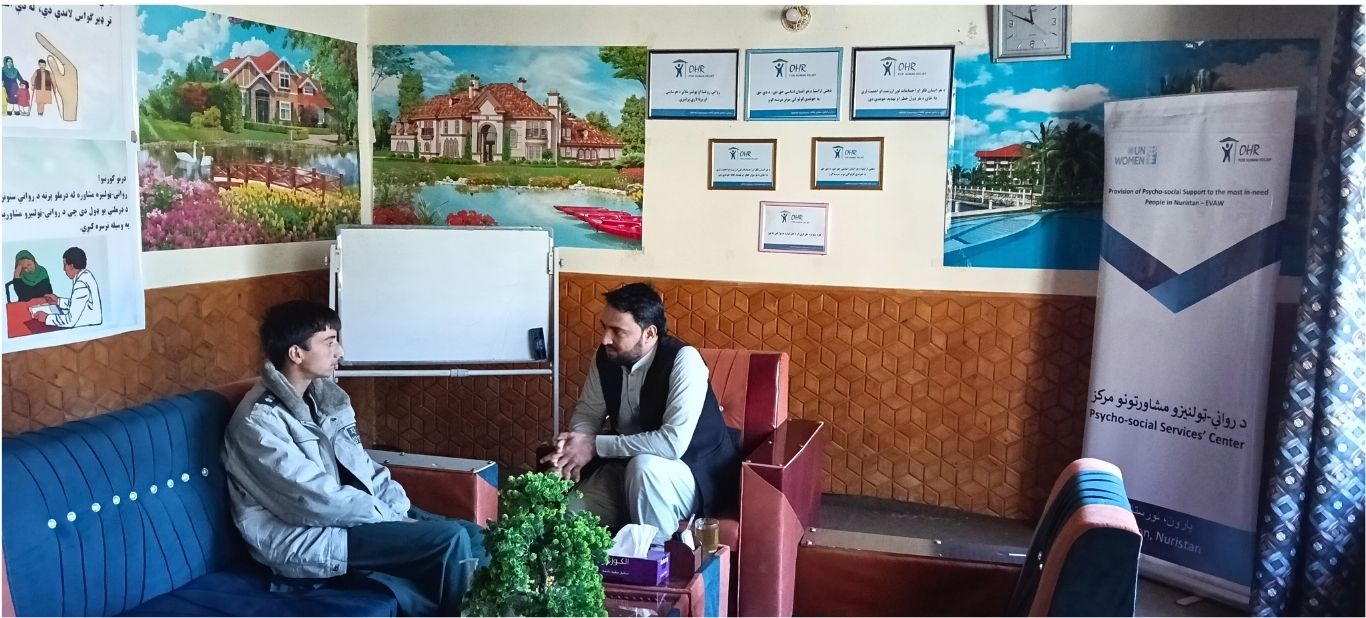
At just 24 years old, “Ahmad” (name changed to protect privacy) faced a profound loss that reshaped his life. As the only son in his family, the death of his father three years earlier placed an overwhelming emotional burden on his shoulders. What began as grief gradually deepened into persistent sadness, isolation, and a loss of purpose.
“After my father died, I felt completely alone,” Ahmad shared. “It felt like the foundation of my life had disappeared.”
When Grief Becomes a Silent Weight
Following his father’s passing, Ahmad experienced continuous psychological distress. He struggled with deep sadness, disrupted sleep and appetite, constant fatigue, and feelings of worthlessness. Over time, he withdrew from family and friends, blaming himself and losing hope for the future.
His grief remained unprocessed, silently shaping his thoughts and emotions. The absence of structure, motivation, and clear goals further intensified his distress, affecting his daily functioning and emotional well-being.
Recognizing the impact of his condition, Ahmad sought support through OHR’s Psychosocial Support (PSS) services, where he was welcomed into a safe, confidential, and supportive environment.
A Safe Space to Heal
Through a structured six-session counseling process, OHR’s psychosocial counselor worked closely with Ahmad to help him process his grief, challenge negative beliefs, and restore emotional balance.
In the early sessions, the focus was on active listening and emotional expression. For the first time, Ahmad felt heard.
“I was afraid to talk about my pain,” he said. “But I learned that feeling deeply is not a weakness.”
As counseling progressed, psychoeducation helped Ahmad understand the stages of grief and normalize his emotional reactions. Cognitive Behavioral Therapy (CBT) techniques were introduced to identify and reframe self-blaming and hopeless thoughts.
“I realized that my thoughts were hurting me,” Ahmad reflected. “I started to believe again that I have the ability to heal.”
Relaxation and mindfulness exercises, combined with practical guidance on sleep routines, nutrition, and daily planning, led to noticeable improvements in his physical and emotional state.
“I slept well today,” he shared during one session—a simple statement that marked a major step forward.
Reconnecting and Rebuilding
As his emotional strength grew, Ahmad began gradually reconnecting with his family, starting with open communication with his mother. These renewed relationships reduced his sense of isolation and restored emotional support.
In the final sessions, the focus shifted toward self-esteem, personal strengths, and future planning. Together with his counselor, Ahmad identified realistic goals related to education, work, and personal growth.
“For the first time in a long while,” he said, “I feel that my life still has meaning.”
A Path Forward
By the end of the counseling process, Ahmad showed significant improvement. His depressive symptoms had decreased, his daily functioning improved, and his sense of self-worth was restored. Most importantly, he emerged with renewed hope and direction for the future.
Ahmad’s journey demonstrates that unresolved grief can become a heavy psychological burden, but with professional support, compassionate counseling, and a safe space to heal, recovery is possible.
At OHR, we believe that no one should face grief alone. Through timely psychosocial support, individuals like Ahmad are reclaiming their emotional well-being, rebuilding their lives, and moving forward with strength and purpose.
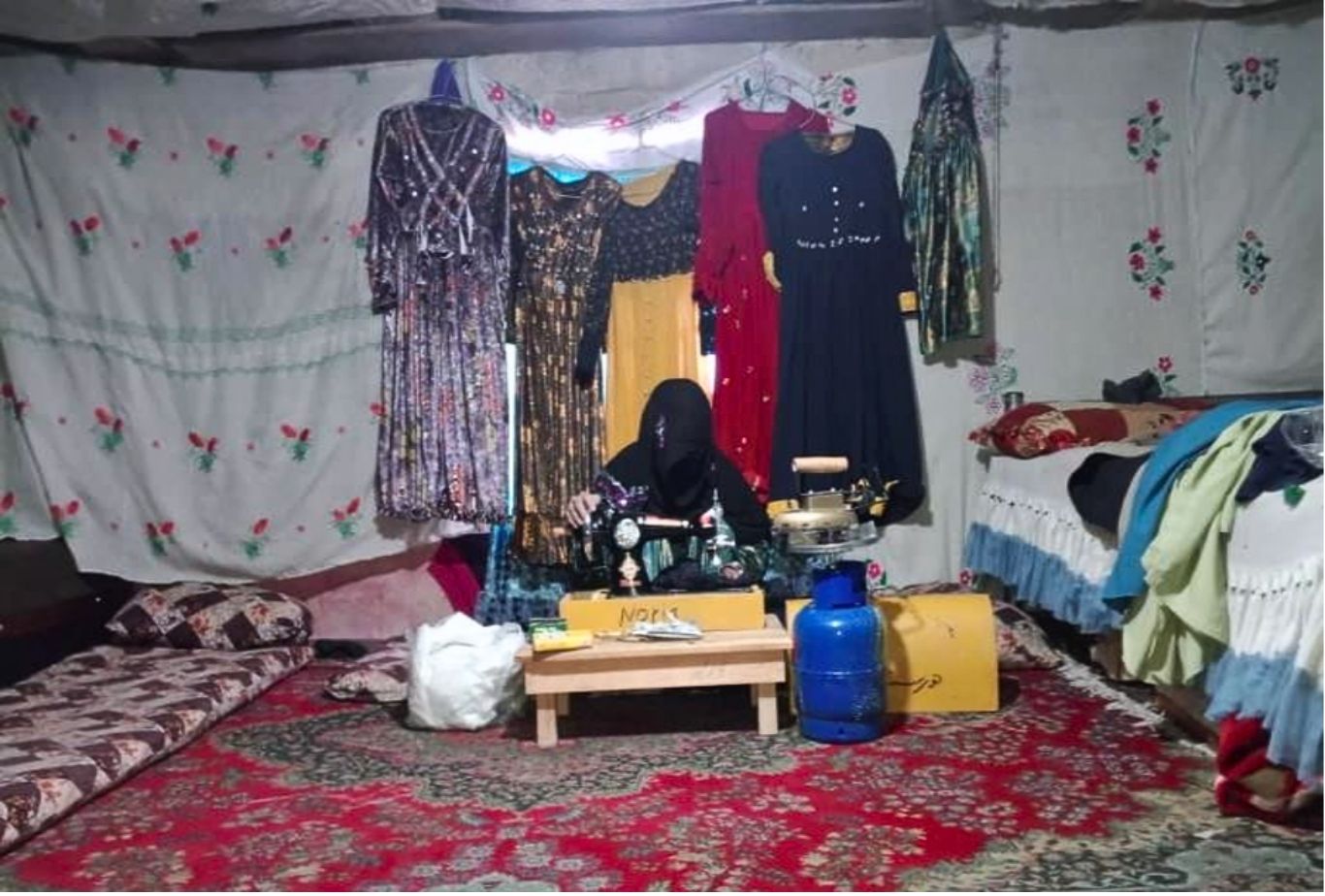 Noria’s Journey: From Emotional Distress to Economic Independence
In the remote village of Mandi, in Parun District of Nuristan Province, 27-year-old Noria’s life has been shaped by hardship, resilience, and ultimately transformation. Her story reflects the realities faced by many women and girls in rural Afghanistan—where economic vulnerability, social restrictions, and emotional distress intersect—while also demonstrating how timely psychosocial support combined with vocational skills training can restore dignity, confidence, and hope.
A Life Marked by Hardship
Noria’s challenges began with a personal decision that should have brought joy. She married the man by her choice, but her parents strongly opposed the marriage, leaving her emotionally isolated from her family of origin. What followed was a period of growing hardship. Living with her in-laws, Noria experienced emotional neglect, with little freedom or support.
Despite these difficulties, Noria and her husband managed to build a modest but stable life—until the political changes of 2021 abruptly altered their circumstances. Her husband lost his government job overnight, eliminating the family’s only source of income. With several young children to care for and no financial security, the household quickly fell into distress.
The pressure of unemployment and poverty strained their relationship. Frequent arguments became common, and at times escalated into physical violence. Even basic requests for food or household necessities often triggered disputes.
“I felt trapped,” Noria recalls. “There was no money, no support, and no way out.”
Over time, the emotional toll became overwhelming. Noria suffered from persistent headaches, loss of appetite, anxiety, and deep sadness. She found herself losing patience with her children, which only increased her sense of guilt and worthlessness.
“I felt like I had failed as a mother and as a wife,” she says. “No matter how hard I tried, I couldn’t change our situation.”
Finding Support Through Psychosocial Counseling
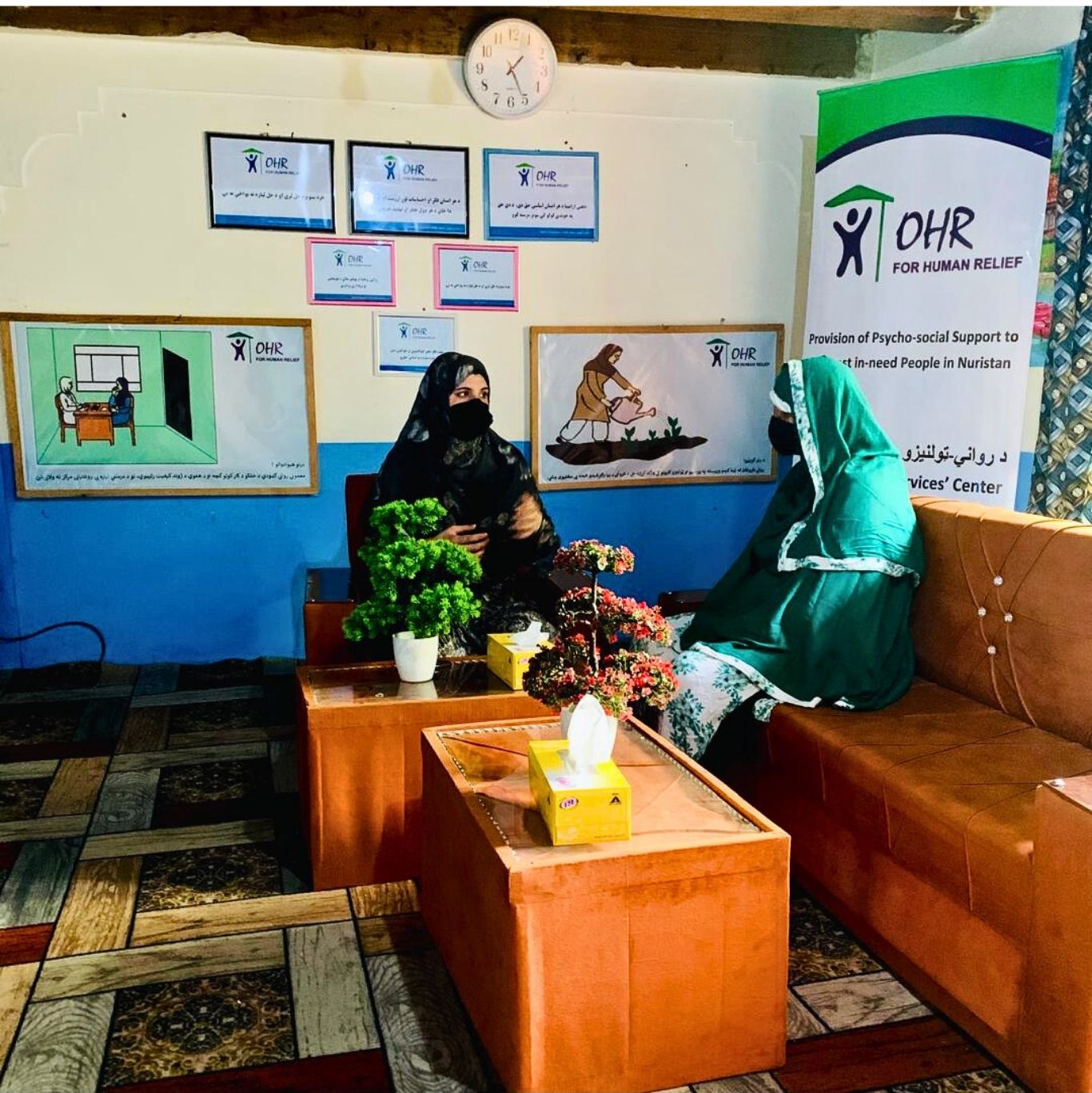
Noria’s turning point came when she learned about a Psychosocial Counseling Center established in her village by the Organization for Human Relief (OHR). The center offered professional counseling services for women experiencing emotional distress, family conflict, and economic hardship. Hesitant but desperate for help, Noria decided to attend.
On June 10, she participated in her first counseling session. For the first time in years, she felt listened to without judgment. Through regular sessions, OHR’s trained counselors helped Noria understand the sources of her stress and develop coping strategies to manage anxiety, emotional exhaustion, and conflict at home.
Importantly, the counseling process went beyond emotional healing. Together with her counselor, Noria explored practical solutions to address the root cause of many of her struggles: the lack of income. It became clear that without economic independence, the cycle of stress, conflict, and vulnerability would continue.
Building Skills, Restoring Confidence
As part of OHR’s integrated approach, Noria was assessed for participation in vocational skills training. Based on her interests and aptitude, she was enrolled in OHR’s tailoring training program focused on sewing local traditional clothing—an income-generating skill well suited to the cultural and market context of Nuristan.
The training marked a significant shift in Noria’s life. Over the course of the program, she learned practical tailoring techniques, pattern-making, and garment finishing, while also receiving mentoring and encouragement. What began as a new skill soon became a source of confidence and pride.
Upon completing the training, Noria began sewing clothes from her home, taking small orders from neighbors, relatives and community members. Gradually, her work gained recognition in the neighborhood and community, and demand increased. The income she earned allowed her to cover basic household expenses, easing financial pressure and reducing tension within the family.
“I never imagined that I could be the one supporting my family,” Noria says. “Now I can contribute. I feel useful. I feel strong.”
A Path Toward Independence and Empowerment
The impact of Noria’s progress extended beyond finances. With a stable source of income and renewed self-confidence, her relationship with her husband began to improve. The stress that once fueled conflict diminished, and cooperation replaced resentment. Noria also noticed positive changes in her children, who now experienced a more stable and supportive home environment.
Today, Noria views herself not as a victim of circumstances, but as an independent and capable woman. She continues to run her home-based tailoring work and has set new goals for the future. Her ambition is to open a small tailoring shop where she can expand her business and train other women and girls facing similar hardships.
“I am deeply grateful to OHR for standing by me in my darkest moments,” she says. “Through counseling, I healed. Through skills training, I found my strength again. Now I want to move forward and help others do the same.”
A Model of Integrated Empowerment
Noria’s story highlights the powerful impact of combining psychosocial support with vocational skills training. By addressing both emotional wellbeing and economic vulnerability, OHR’s approach enables women and girls to rebuild their lives with dignity and resilience.
At OHR, stories like Noria’s reaffirm our commitment to empowering women through holistic, community-based interventions. Her journey demonstrates that when women are given the right support, skills, and opportunities, they can overcome adversity, strengthen their families, and contribute meaningfully to their communities.
 Zubania’s Journey Toward Healing and Home-Based Livelihood
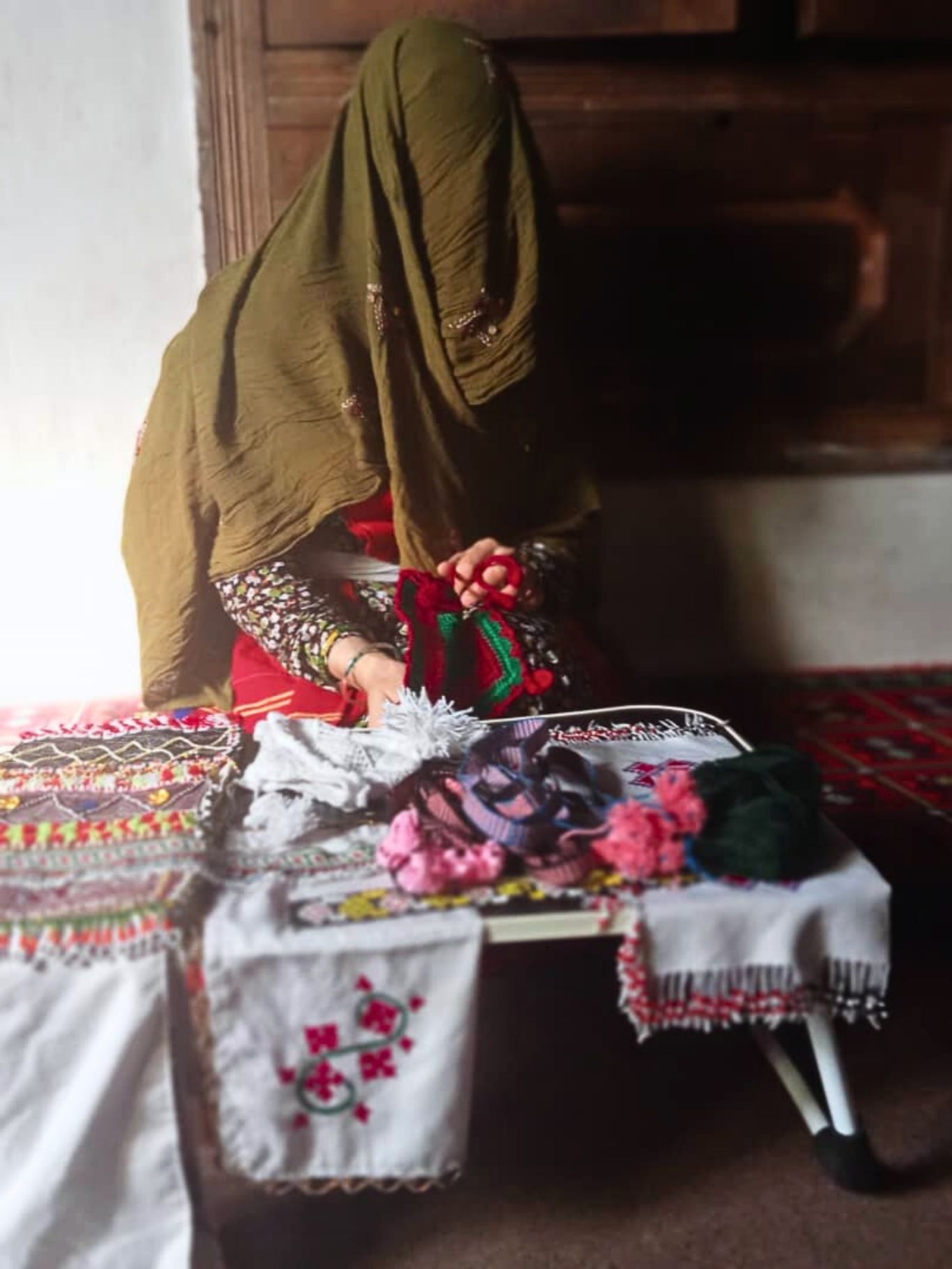 Zubania’s Journey Toward Healing and Home-Based Livelihood
Zubania, a 29-year-old woman from Mandi village in Parun District of Nuristan Province, carries a story of resilience shaped by hardship, courage, and renewed hope.
When Zubania first arrived at the Organization for Human Relief’s (OHR) Psychosocial Support (PSS) Center in January 2025, she appeared visibly distressed. She was anxious, withdrawn, and overwhelmed by grief. With gentle welcome and a safe, supportive environment, she gradually found the strength to share the painful realities of her life.
Married at a young age with choice of her parents, Zubania faced years of emotional neglect and family conflict. Her situation worsened after her husband took a second wife, leaving her isolated and eventually separated from the extended family along with her two children. As if these challenges were not enough, her husband was later diagnosed with cancer. With no other family support, Zubania had to become the sole caregiver—responsible for household duties, childcare, and her husband’s medical treatment. The family’s limited savings were exhausted, and daily survival became a constant struggle.
The cumulative burden of economic hardship, caregiving responsibilities, and social exclusion took a serious toll on Zubania’s mental health. She experienced persistent stress, feelings of guilt and hopelessness, and symptoms of anxiety and emotional exhaustion. Unable to participate in community life or generate income, she felt trapped with no clear way forward.
“I felt lost, guilty, and hopeless,” Zubania recalls. “There were moments when I believed there was no way out of my situation.”
At OHR’s PSS Center, Zubania received structured psychosocial counseling that allowed her to process her trauma, regain emotional stability, and rebuild her sense of self-worth. Through regular sessions, she learned coping strategies, stress management techniques, and began to see herself not as a burden, but as a capable woman with strengths and potential.
Recognizing the strong link between mental well-being and economic stability, OHR later enrolled Zubania in a six-month vocational training program in hand embroidery. As a trainee, she learned her skills in embroidary, strengthened her confidence, and rediscovered purpose through creative and productive work. The combination of counseling and vocational training proved transformative—her emotional well-being improved as she became more engaged, focused, and hopeful.
Today, Zubania runs a small home-based embroidery business. She receives orders from family members, neighbors, villagers, and small local traders. The income she earns helps cover daily household urgent needs and contributes to her husband’s medical expenses. Most importantly, she now has a sense of control over her life and the ability to support her family with dignity.
Zubania shares that her emotional distress and anxiety have significantly decreased, and she feels calmer, more confident, and more optimistic about the future. Once isolated and overwhelmed, she is now an active contributor within her community.
“Working with my hands calmed my mind,” she shares. “Learning, creating, and being productive gave me hope again.”
Zubania expresses deep gratitude to OHR’s staff and UN Women for standing by her during her most difficult moments. She hopes that similar support will continue for other women facing hardship, so they too can rebuild their lives with resilience, skills, and hope.
“I thank OHR from my heart,” she says. “I hope this kind of support continues so other women like me can also find strength, dignity, and independence.”
Her journey is a powerful reminder that when psychosocial care is paired with practical livelihood opportunities, women can heal, reclaim agency, and lead change—starting from their own homes.