
Returnees at Risk: Women at the Frontline of Reintegration in Eastern Afghanistan
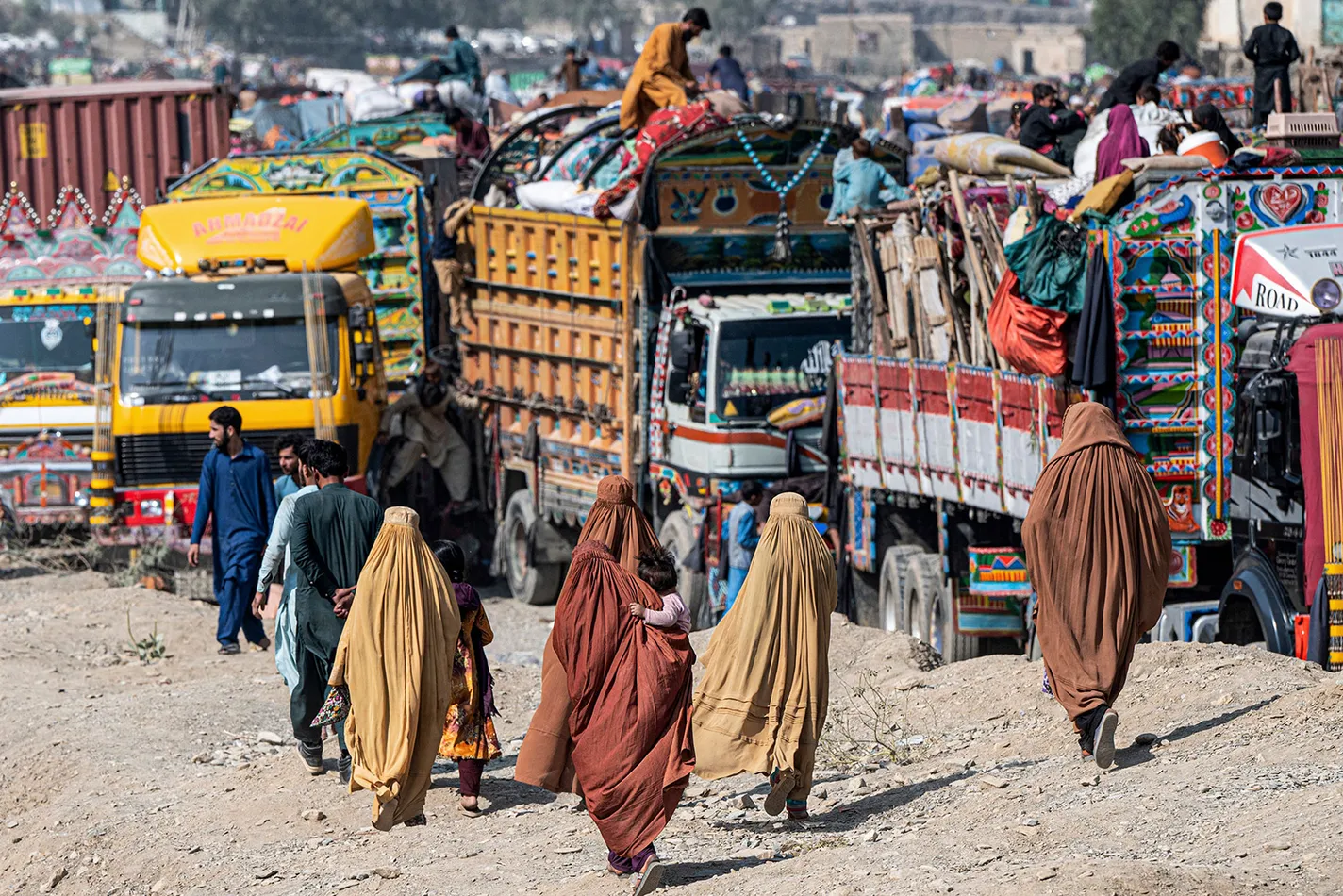
Jalalabad and surrounding districts in eastern Afghanistan have become a primary destination for thousands of Afghan families returning from Pakistan—many under forced or sudden circumstances. These returnees arrive in communities already strained by poverty, unemployment, climate shocks, and fragile public services. Most families return with little or no savings, limited documentation, and no secure housing, immediately facing food insecurity, debt, and barriers to accessing water, health care, education, and livelihoods. The scale and speed of returns have placed immense pressure on host communities and local systems, deepening social and economic stress for both returnees and residents.
Women and girls face the most severe and layered challenges. Limited access to essential services, and the absence of safe, gender-responsive facilities have significantly reduced their ability to rebuild their lives. Many women have lost social networks and are excluded from community decision-making, while economic desperation and displacement have increased protection risks, including exploitation and gender-based violence. Female-headed households are particularly vulnerable, often bearing the full burden of survival without income, legal documentation, or access to assistance. At the same time, overstretched humanitarian services and funding gaps leave critical needs unmet.
Despite these hardships, returnees bring resilience, skills, and a strong desire to contribute. With targeted support—such as sustainable livelihoods, shelter solutions, access to basic services, and inclusive community engagement—return can become a pathway toward recovery rather than prolonged crisis. Listening to frontline realities makes clear that effective responses must address immediate survival needs while strengthening local systems and ensuring women’s meaningful participation. Supporting returnees is not only a humanitarian imperative; it is essential for fostering social cohesion and building resilient communities across Afghanistan.