
Winter of Despair: Rural Afghanistan’s Urgent Call for Emergency Assistance
As the harsh winter grips Afghanistan, millions of vulnerable people in rural and isolated areas are facing a life-threatening humanitarian crisis. With temperatures plunging, the rural poor — especially women, widows, orphans, displaced families, returnees, people with disabilities, and households without a male breadwinner — are struggling to survive without sufficient food, shelter, or warm clothing.
A recent Integrated Food Security Phase Classification (IPC) report warns that over 17 million Afghans are facing acute food insecurity this winter, a significant increase compared to previous years. Many families are unable to access or afford sufficient nutritious food as harsh weather and drought limits farming, and depletes already lower household income. Without urgent intervention, hunger and malnutrition are expected to worsen, particularly among children who are already experiencing historically high rates of malnutrition. (World Food Programme)
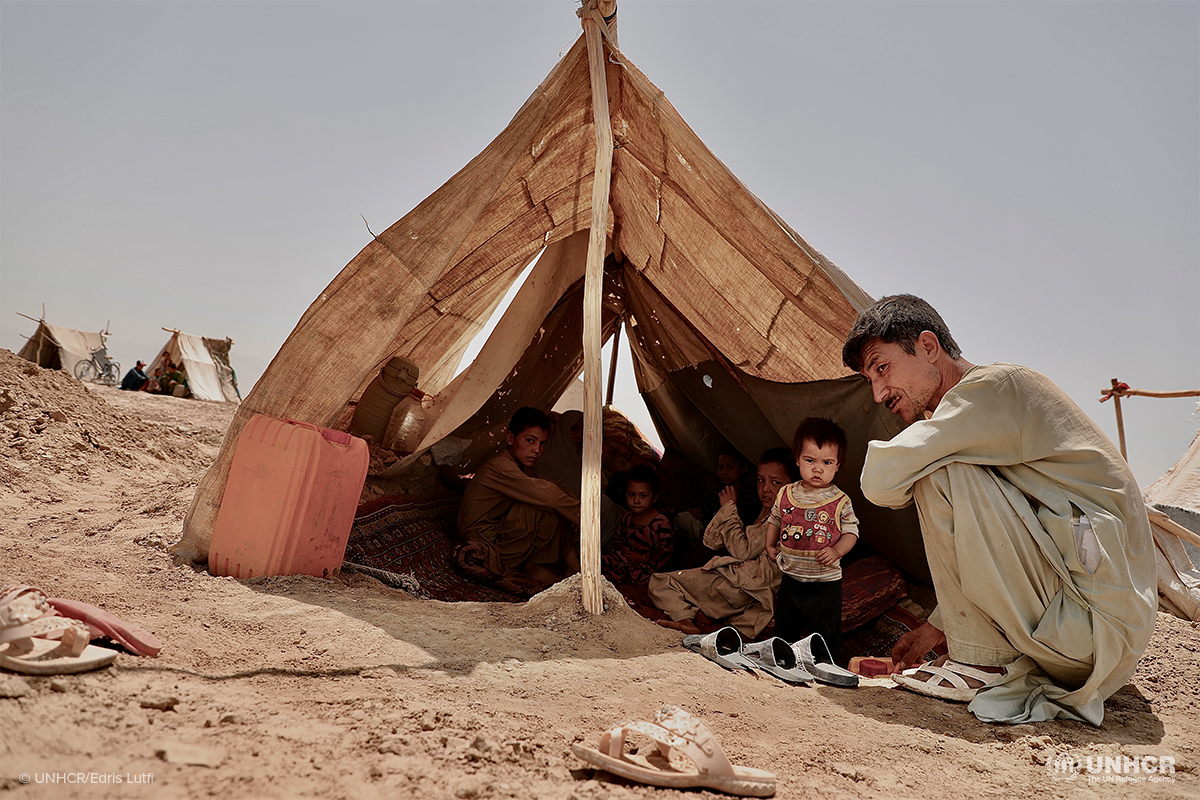
In remote rural provinces, where most households depend on subsistence farming, the challenges are compounded. Freezing temperatures make travel dangerous, isolating communities that were already struggling due to drought, economic decline, and the return of displaced populations. Many families are living in inadequate or makeshift shelters, with little or no insulation or heating supplies — conditions that expose children, the elderly, and those with health vulnerabilities to severe cold-related illness. (ACT Alliance)
Women-headed and female-led households, particularly in rural areas, face heightened risk: they frequently lack access to stable income, basic services, and social support networks, leaving them disproportionately affected by food shortages and extreme temperatures. These vulnerable groups often resort to negative coping strategies, such as reducing food intake or selling essential assets, which can have long-term adverse effects on health and wellbeing.
Humanitarian agencies are working with local partners to deliver some emergency assistance, including food distributions, and limited cash support. However, critical funding shortfalls and logistical constraints continue to hinder response efforts and limit the reach of life-saving aid. The scale of need far outstrips available resources, leaving millions without adequate protection from the biting cold.
The situation demands immediate and scaled-up humanitarian action. Without urgent support from the international community, the winter months will deepen suffering and imperil the lives of those already pushed to the brink — particularly the most marginalized and rural populations whose access to basic necessities is now gravely threatened.