Listening to the Unheard: Women’s Psychosocial Needs in Nuristan
Women in Nuristan, Afghanistan, face the most severe social, economic, and psychosocial hardships in the country. Geographic isolation, harsh winters, and mountainous terrain have long limited access to basic services, yet women are disproportionately affected due to rigid patriarchal structures, restrictive social norms, and systemic exclusion from decision-making processes. The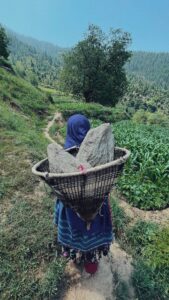 challenges women face in this remote province are multifaceted, compounded by widespread poverty, food insecurity, limited mobility, and a near-total absence of functional institutions to support their rights, safety, and wellbeing.
Social indicators for women in Nuristan are among the lowest nationwide. Access to education, healthcare, social protection, justice, and economic opportunities is severely limited. Traditional decision-making processes, almost exclusively male-dominated, frequently disregard women’s inclusion, leaving women struggling with recourse to justice mechanisms. The lack of awareness about women’s rights and the minimal enforcement of legal protections have exacerbated women’s vulnerability to gender-based violence (GBV).
In this context, psychosocial distress among women is both widespread and under-addressed. The ongoing humanitarian crisis, compounded by difficulties in access to employment, and participation in public life, has increased stress, mental health issues, and household tension. Harmful social norms continue to justify male dominance and the subjugation of women, further deteriorating women’s mental wellbeing and life opportunities. Despite their significant contributions to household management, agriculture, and community survival, women remain marginalized, invisible, and not well supported.
Currently, access to essential psychosocial and protective services in Nuristan is extremely limited. Survivors of violence and at-risk women rarely have safe spaces, mental health support, or social services to address trauma and reintegrate into community life. Coordination between health, social protection, and safeguarding mechanisms is largely absent, leaving women without comprehensive or culturally adapted support. The lack of available services contrasts sharply with the increasing need for holistic interventions that can prevent violence, promote gender equality, and support survivors’ recovery.
Nuristan’s unique cultural and geographic context must be central to any intervention. The province’s scattered population, indigenous identity, and strong adherence to local traditions create both resilience and significant barriers. Women hold essential roles in farming and household management. Development and humanitarian programs that do not consider the province’s indigenous knowledge systems, local gender norms, and geographic constraints risk being ineffective or rejected. Successful interventions must be culturally grounded, community-led, and flexible enough to reach women across isolated valleys during harsh winters, while simultaneously challenging harmful norms and promoting women’s agency.
Without immediate, targeted support, women in Nuristan face compounding psychosocial distress, exposure to violence, and further marginalization. Donor-supported initiatives can fill this critical gap by providing mental health and psychosocial services, safe spaces for survivors, and holistic support for at-risk women, while fostering community awareness and local leadership to protect women’s rights. Such interventions would not only address urgent needs but also lay the foundation for sustainable social transformation—ensuring that women’s voices, dignity, and potential are valued in one of Afghanistan’s most marginalized and isolated provinces.
Key Needs Highlighted
- Access to psychosocial and mental health services for women survivors of violence or at-risk women
- Safe spaces and community-based support networks
- Awareness raising among communities, elders, and traditional structures on women’s rights and GBV prevention
- Culturally grounded programming sensitive to indigenous norms, geographic isolation, and local gender roles
- Holistic service delivery, including mental health, social protection, and referral mechanisms
- Economic and social reintegration support for women affected by trauma and exclusion.