
Finding Meaning After Loss: A Young Man’s Journey Through Grief and Healing
At just 24 years old, “Ahmad” (name changed to protect privacy) faced a profound loss that reshaped his life. As the only son in his family, the death of his father three years earlier placed an overwhelming emotional burden on his shoulders. What began as grief gradually deepened into persistent sadness, isolation, and a loss of purpose.
“After my father died, I felt completely alone,” Ahmad shared. “It felt like the foundation of my life had disappeared.”
When Grief Becomes a Silent Weight
Following his father’s passing, Ahmad experienced continuous psychological distress. He struggled with deep sadness, disrupted sleep and appetite, constant fatigue, and feelings of worthlessness. Over time, he withdrew from family and friends, blaming himself and losing hope for the future.
His grief remained unprocessed, silently shaping his thoughts and emotions. The absence of structure, motivation, and clear goals further intensified his distress, affecting his daily functioning and emotional well-being.
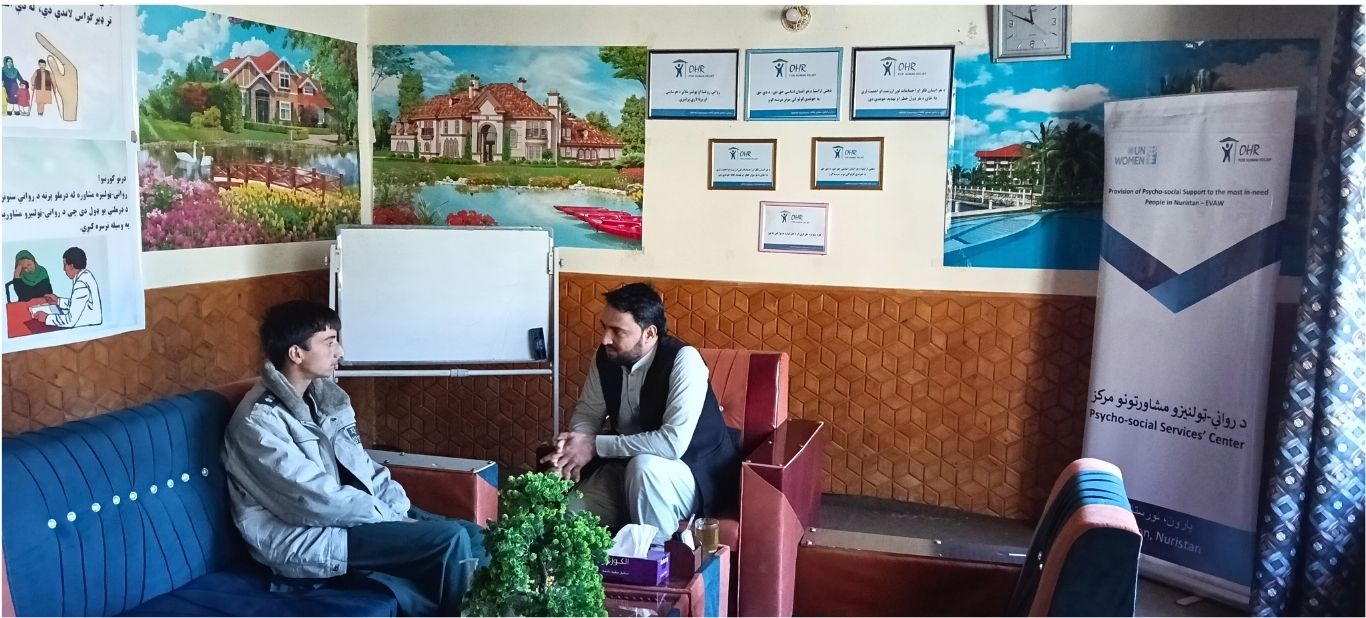
Recognizing the impact of his condition, Ahmad sought support through OHR’s Psychosocial Support (PSS) services, where he was welcomed into a safe, confidential, and supportive environment.
A Safe Space to Heal
Through a structured six-session counseling process, OHR’s psychosocial counselor worked closely with Ahmad to help him process his grief, challenge negative beliefs, and restore emotional balance.
In the early sessions, the focus was on active listening and emotional expression. For the first time, Ahmad felt heard.
“I was afraid to talk about my pain,” he said. “But I learned that feeling deeply is not a weakness.”
As counseling progressed, psychoeducation helped Ahmad understand the stages of grief and normalize his emotional reactions. Cognitive Behavioral Therapy (CBT) techniques were introduced to identify and reframe self-blaming and hopeless thoughts.
“I realized that my thoughts were hurting me,” Ahmad reflected. “I started to believe again that I have the ability to heal.”
Relaxation and mindfulness exercises, combined with practical guidance on sleep routines, nutrition, and daily planning, led to noticeable improvements in his physical and emotional state.
“I slept well today,” he shared during one session—a simple statement that marked a major step forward.
Reconnecting and Rebuilding
As his emotional strength grew, Ahmad began gradually reconnecting with his family, starting with open communication with his mother. These renewed relationships reduced his sense of isolation and restored emotional support.
In the final sessions, the focus shifted toward self-esteem, personal strengths, and future planning. Together with his counselor, Ahmad identified realistic goals related to education, work, and personal growth.
“For the first time in a long while,” he said, “I feel that my life still has meaning.”
A Path Forward
By the end of the counseling process, Ahmad showed significant improvement. His depressive symptoms had decreased, his daily functioning improved, and his sense of self-worth was restored. Most importantly, he emerged with renewed hope and direction for the future.
Ahmad’s journey demonstrates that unresolved grief can become a heavy psychological burden, but with professional support, compassionate counseling, and a safe space to heal, recovery is possible.
At OHR, we believe that no one should face grief alone. Through timely psychosocial support, individuals like Ahmad are reclaiming their emotional well-being, rebuilding their lives, and moving forward with strength and purpose.