
From Distress to Dignity: Akhtar Bibi’s Journey to Healing
Akhtar Bibi, a 30-year-old woman from Madina village in Parun District of Nuristan Province, is a mother and caregiver whose life was deeply affected by sudden social and economic changes. When she first visited the Organization for Human Relief (OHR)’s Psychosocial Counseling Center in Parun, she appeared visibly distressed, exhausted, and emotionally overwhelmed.
Once she was welcomed into a safe and supportive environment, Akhtar Bibi began to share her story. During the previous government, her husband had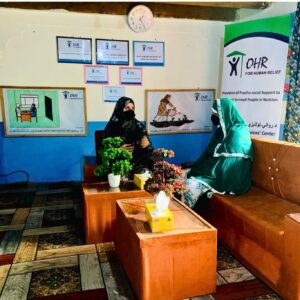 stable employment, and the family lived a relatively stable life. He has another wife and several children, and despite the responsibilities, the household was functioning. However, following the political transition, her husband lost his job and the family was forced to migrate. Eventually, they returned back home, but her husband remained unemployed.
The family’s economic situation deteriorated rapidly. Akhtar Bibi herself had been working, but her job ended two months prior to her visit to the counseling center. With no stable income, the burden of caring for the children and managing a large household fell heavily on her shoulders. Financial stress soon led to frequent arguments at home, strained relationships, and growing emotional distance within the family.
Over time, Akhtar Bibi felt trapped and helpless. She described constant anxiety, mental distress, persistent sadness, headaches, anger, and a deep sense of hopelessness. She feared that her life would never improve. These thoughts gradually disrupted her mental peace and daily functioning. Despite using medication, she experienced little relief. She began to feel isolated, believing there was no one she could trust to share her pain with, and at times she lost the motivation to continue her daily life.
Her turning point came through a neighbor, who informed her about OHR’s psychosocial services in Parun District. Hearing that trained counselors were providing support to individuals facing stress, family conflict, and emotional distress gave her a sense of hope. Seeing no other option, Akhtar Bibi decided to seek help.
She visited OHR’s Psychosocial Counseling Center on 23 October 2025. During her first session, she was received with empathy and respect, and a psychosocial assessment was conducted in a calm and confidential setting. Her symptoms—including anxiety, sadness, hopelessness, mental confusion, anger, and physical stress—were carefully documented. She was encouraged to continue with follow-up sessions.
In subsequent sessions, OHR’s counselors worked closely with Akhtar Bibi to identify the root causes of her distress, including job loss, financial insecurity, family conflict, and emotional overload. Together, they explored how these factors were affecting her daily life, relationships, and sense of self-worth. Gradually, her dominant feelings of helplessness and emotional exhaustion were addressed through tailored psychosocial interventions.
Through structured counseling sessions, Akhtar Bibi received guidance on stress management, positive thinking, emotional regulation, and empowerment techniques. She learned how to challenge negative thoughts, rebuild confidence, and recognize her own strengths. With encouragement from the counselors, she identified practical ways to regain control over her life.
One significant outcome of the counseling process was Akhtar Bibi’s decision to use her existing skills productively. With renewed confidence, she started a small tailoring activity at her home. She now stitches clothes for women in her community, earning income and contributing to her household’s needs. This step not only improved her financial situation but also restored her sense of dignity and purpose.
Today, Akhtar Bibi reports a significant reduction in anxiety and emotional distress. Her mental state is calmer, her relationships at home have improved, and she feels empowered to plan for her children’s future. Reflecting on her journey, she shares:
“With guidance and support from OHR, my life has changed. The thoughts and feelings that made me lose hope are gone. I feel strong again.”
Akhtar Bibi expresses deep gratitude to OHR’s management and staff for their compassionate support and continues to seek further services to strengthen her well-being. Her story stands as a powerful example of how timely, culturally sensitive psychosocial support can restore hope, empower women, and transform lives in vulnerable communities.
OHR remains proud to support individuals like Akhtar Bibi—helping them find solutions, rebuild resilience, and move forward with confidence and dignity in Nuristan.